Rene
yuliy
official website
vocal & PIANO lessons
Why Learning Piano?
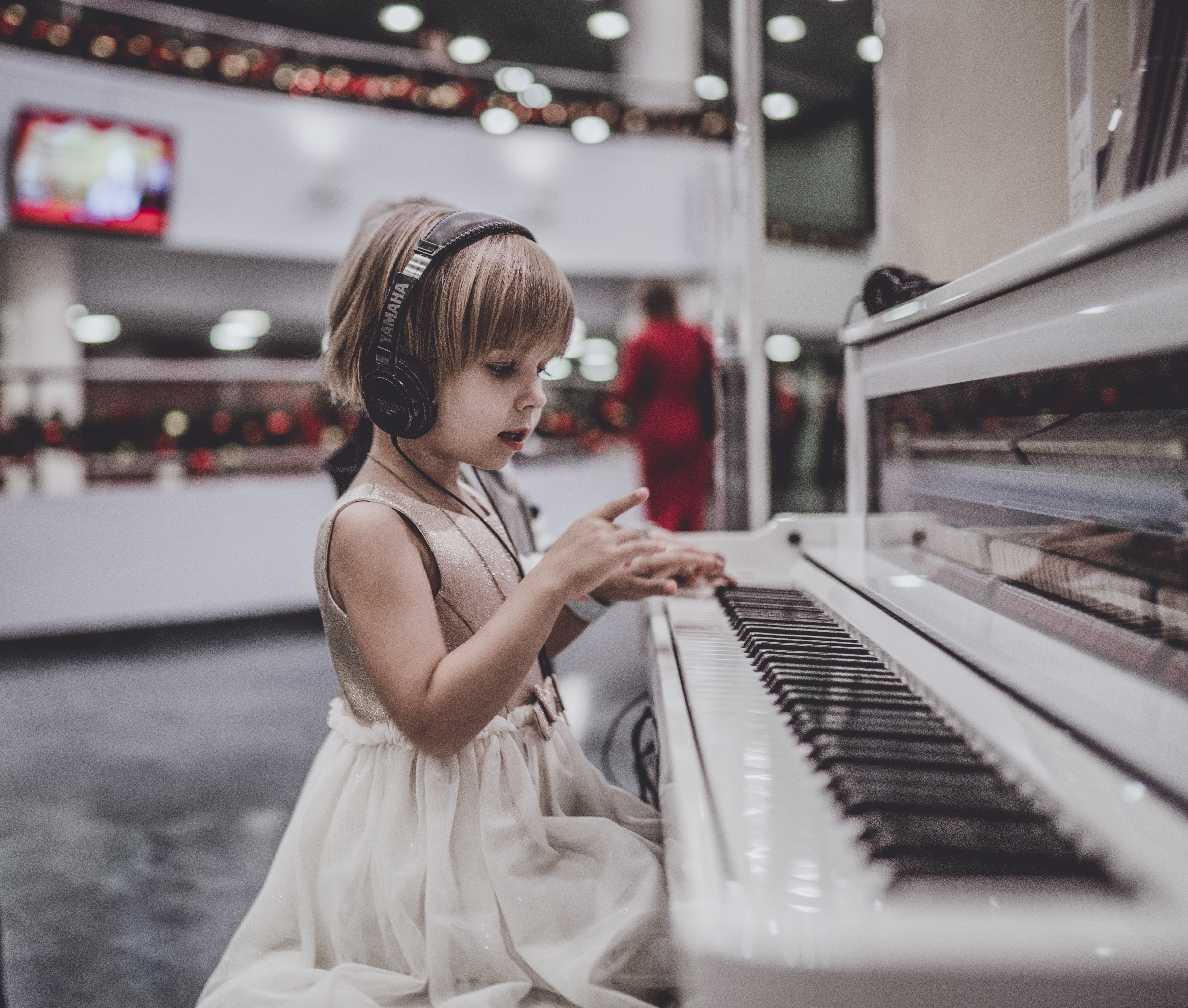
Numerous studies by neuroscientists have determined that playing the piano has a positive effect on brain development, especially in young children. Memory functions, dexterity, hand-eye coordination, problem solving, listening and communication skills all benefit from learning an instrument and engaging in regular practice.
It takes focus and dedication to learn an instrument and progressing through the levels is very satisfying. This has a positive influence on many other areas of your child’s life including school, sports and social activities. Putting in the practice before a recital provides an understanding of what it takes to learn something new and perform well.
Another benefit of learning piano as a child is the early development of music appreciation. Learning to play an instrument gives you a unique insight into the craft of songwriting, arrangement and performance. It is wonderful to be inspired by the talents of other musicians and the music of different cultures from around the world.
About the regular lessons
Students are learning to read music from notes, to play piano with two hands in both clefs, technique, tone production, articulation, phrasing, ear training, sight reading, music theory and vocabulary of music.
ABRSM piano exams Grades 1-8
I prepare students for ABRSM graded musical exams (Grades 1 - 8) which are considered among the most recognized musical certifications. ABRSM certificates are valid globally. It is a major plus in applying to musical institutions. There is a number of pieces, scales, arpeggios, sight-reading, and aural tests to be prepared for each grade (1-8).
What will you learn during a vocal lesson?
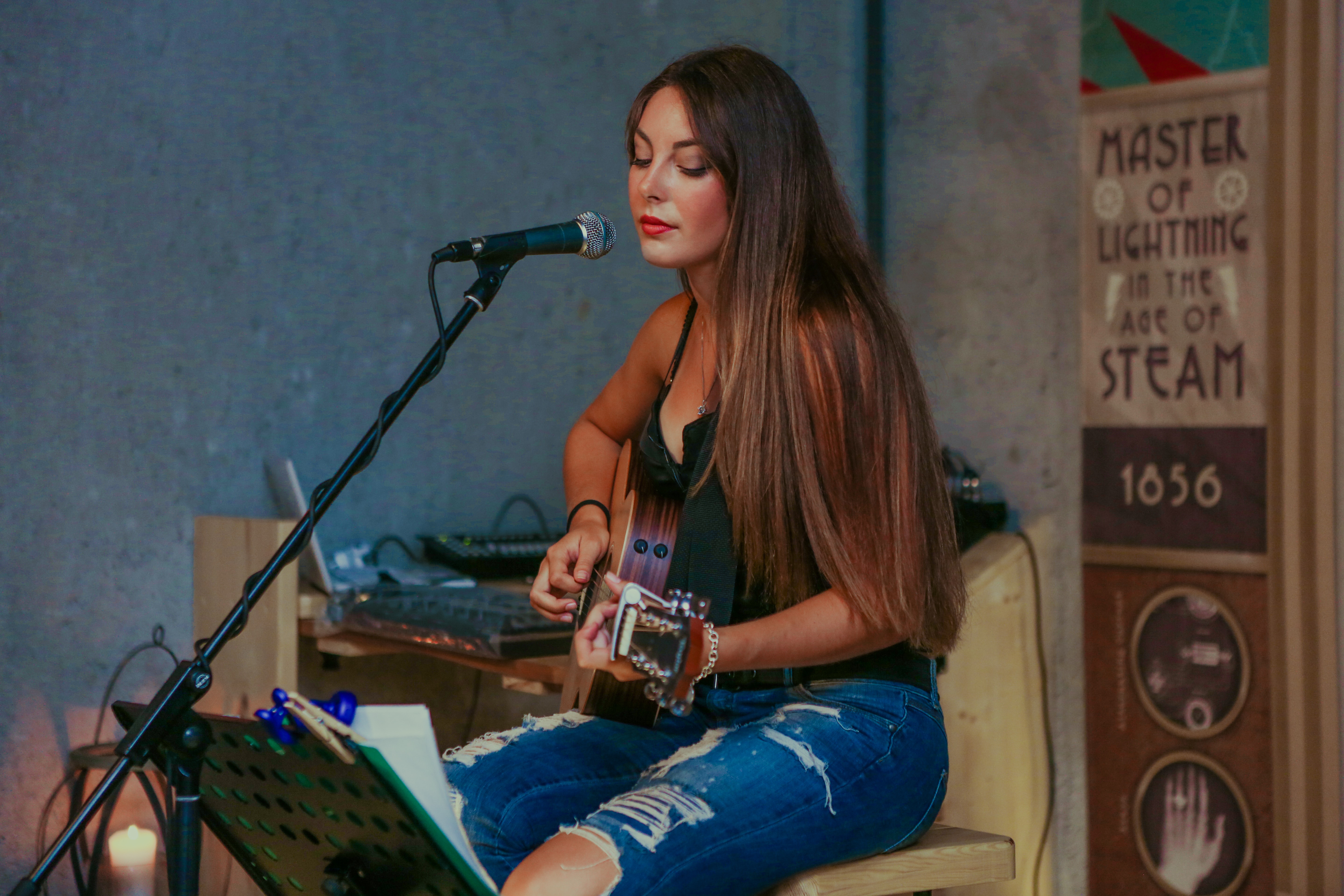
The singing techniques include exercises to address specific challenges towards healthy vocal production such as posture, breathing, support, articulation, resonance, etc.
The singing lessons differ in several aspects which include technique, interpretation, accompanying instruments, stage presentation among others.
Completely individual approach to each student is provided as unlike any other musical instruments, the mechanisms of the human voice are too subtle that they are mostly imperceptible by one’s ear. This is why hiring a qualified and experienced voice teacher is crucial.

How hard is to learn singing and how quickly can you learn it?
The human voice is a musical instrument and as any other instrument it needs time and practice to master. There's no a flat answer to the question how quickly you can improve as everyone's voice is different and at different levels of skill or talent.
The ability to perform songs well is the target and also the last stage of different levels of vocal training under the control of a qualiied and expirenced vocal coach.

Benefits of singing
Singing releases endorphins into your system and makes you feel energized and uplifted. People who sing are healthier than people who don’t. Singing gives the lungs a workout, tones abdominal and intercostal muscles and the diaphragm, and stimulates circulation.
Singing makes us breathe more deeply than many forms of strenuous exercise, so we take in more oxygen, improve aerobic capacity and experience a release of muscle tension as well.” — Professor Graham Welch, Director of Educational Research, University of Surrey, Roehampton, UK.
When you sing, musical vibrations move through you, altering your physical and emotional landscape. Singing lowers stress levels and boosts your confidence.

Trinity College London
Pop&Rock Singing Exam, Grades 1 – 8
Performance is at the heart of Trinity's Rock & Pop Vocals exams: learning for fun or heading for a career in the music industry, these exams will help you develop valuable singing skills and achieve your musical ambitions.
Successful examinees will be awarded a certificate that is internationally recognized and the exam marks sheet with the examiner’s comments.
types of vocal coaching
- Classical Singing- Opera often is considered one of the most challenging singing styles, and with good reason. Opera singers must master the fundamentals of singing. But they also must rely on their bodies to produce the tremendous volume levels required to sing over a full orchestra.Examples of Classical singing are those of Maria Callas, Luciano Pavarotti, Andrea Bocelli.
- Musical Theater- Musical Theatre style can be best witnessed in Broadway and West End where musicals such as the classics – Les Miserables, Phantom of the Opera, and some from Disney movies like Aladin – are staged.
- Pop and Rock- Pop and Rock singing is those of Whitney Houston, Ariana Grande, Adelle, Freddie Mercury, Bruce Dickinson and many other rising pop and rock stars.
let's start
Vocal Assessment
Future students are assessed before commencing regular lessons to determine vocal strengths and weaknesses, in order to devise a personalized overall coaching program to meet your individual vocal needs. The assessment is to evaluate vocal range, breath support and management, pitch and intonation, articulation, basic musicianship etc and also to ascertain if there are any potential vocal health problems.